Colombia on a budget is South America’s best-kept travel secret for 2026. A country that has transformed dramatically in the past decade now offers Caribbean beaches, Andean mountain towns, Amazon jungle lodges, vibrant street art cities, and the continent’s best coffee — all for under $40 per day. According to Lonely Planet, Colombia is one of the most affordable and exciting destinations in the Americas, with the Colombian peso offering exceptional value for dollar and euro travelers.
This guide covers real daily costs, the best budget destinations from coast to mountains, transport hacks, and food strategies for traveling Colombia on a budget. Whether you are backpacking for a month or visiting Cartagena for a week, these strategies make Colombia remarkably affordable. For the full planning framework, our budget trip planning guide covers the fundamentals.
Daily Budget Breakdown for Colombia in 2026
Backpacker ($18-28/day): Hostel dorm ($6-10), street food and set lunches ($5-9), local buses and metro ($2-4), one activity ($2-5). Colombian street food is diverse and delicious at this level. The set lunch (almuerzo corriente) is the country’s greatest budget meal.
Comfortable budget ($30-45/day): Private hostel room or guesthouse ($12-20), mix of restaurants and street food ($8-14), comfortable transport ($3-6), 2 activities ($5-10). Private rooms with air conditioning, restaurant meals, and every major sight accessible.
Mid-range ($50-70/day): Boutique hotel ($22-35), restaurant dining ($12-18), taxis and domestic flights ($6-10), premium tours ($8-12). This feels luxurious by Colombian standards.
Medellín: The City of Eternal Spring ($22-35/day)
Medellín sits at 1,500 meters elevation in a lush valley, giving it perfect 22-28°C weather year-round. The city’s transformation from its troubled past into one of Latin America’s most innovative cities is remarkable. The metro system ($0.70/ride) connects neighborhoods efficiently. The cable cars (metrocable, same fare) climb into hillside neighborhoods offering panoramic city views. Comuna 13, once the most dangerous neighborhood, is now a vibrant open-air gallery of street art and escalators — completely free to visit.
Budget accommodation: Hostel dorms in El Poblado (the safest tourist area) cost $7-12/night. Private rooms $12-18. Budget food: The almuerzo corriente (set lunch with soup, main course, rice, salad, drink, and dessert) costs $2-3 at local restaurants. Arepas from street vendors: $0.50-$1. Bandeja paisa (the national dish): $3-5. Fresh fruit juice: $0.80-$1.50. Medellín’s food scene is covered in our food budget guide. For digital nomads, Medellín is one of our top picks in the digital nomad destinations guide thanks to fast wifi, coworking spaces, and low cost of living.
Cartagena: Caribbean History on a Budget ($25-40/day)
Cartagena’s UNESCO-listed walled old city is one of the Americas’ most photogenic destinations: colonial mansions painted in every color, flower-draped balconies, horse-drawn carriages on cobblestone streets, and 400-year-old fortifications overlooking the Caribbean. The entire old city is walkable and free to explore.
Budget tips for Cartagena: Stay in Getsemani (the neighborhood just outside the walls) instead of the walled city — hostels $8-12, private rooms $15-22 vs $30-50 inside the walls. Eat at the indoor Bazurto Market ($2-3 for a full seafood lunch) instead of tourist restaurants in the old city ($12-20 for the same meal). Visit the Rosario Islands on a public boat from the market pier ($8-10 round trip) instead of tourist boat tours ($35-50). Walk the city walls at sunset for the best free experience in Cartagena. Our tourist traps guide covers Cartagena-specific overcharges.
The Coffee Region: Green Mountains for Less ($18-30/day)
Colombia’s Coffee Axis (Eje Cafetero) is a UNESCO Cultural Landscape of rolling green mountains covered in coffee plantations, colorful villages, and cloud forest. Salento is the backpacker favorite: a tiny town with painted buildings, incredible mountain views, and the famous Cocora Valley where the world’s tallest palm trees (60 meters) rise from misty cloud forest. The Cocora Valley hike is free — one of the most stunning free hikes in South America.
Coffee farm tours cost $5-10 per person and include tasting sessions where you learn the full bean-to-cup process. Accommodation in Salento: hostel dorms $6-8, private rooms in fincas (farmhouses) $10-16 with mountain views. Trout meals (the local specialty) cost $3-5 at family restaurants. Fresh coffee: $0.50-$1 per cup — some of the world’s best coffee at the world’s lowest prices. Get there from Medellín or Bogotá by bus ($10-15, 6-8 hours).
Bogotá: Culture Capital on a Budget ($20-32/day)
Colombia’s capital sits at 2,640 meters elevation in the Andes, giving it cool weather (14-18°C) and a completely different vibe from the tropical coast. The La Candelaria historic district is packed with colonial architecture, street art, museums, and university energy. The Gold Museum (free) houses the world’s largest pre-Hispanic gold collection — 55,000 pieces. The Botero Museum (free) displays Fernando Botero’s famous paintings and sculptures alongside works by Picasso and Dalí.
Monserrate (cable car $5 round trip) offers panoramic views over the entire city from 3,150 meters. Sunday Ciclovía closes 120 km of Bogotá’s streets to cars for cyclists, runners, and walkers — free and one of the world’s best urban experiences. Budget accommodation in La Candelaria: dorms $5-8, private rooms $10-16. The TransMilenio bus system covers the city for $0.80/ride. Bogotá’s food scene offers set lunches for $2-3 and ajiaco (the local chicken and potato soup) for $3-4.
Santa Marta and Tayrona: Beach Meets Jungle ($20-35/day)
Santa Marta is Colombia’s oldest city and the gateway to Tayrona National Park — where jungle-covered mountains plunge directly into Caribbean beaches. Tayrona entry costs $15-18 for foreigners, but inside you find some of South America’s most beautiful beaches completely free of development. Camp on the beach for $5-8/night in rented hammocks or basic tents. The hike through the park from Calabazo entrance to the beaches takes 2-3 hours through dense tropical forest.
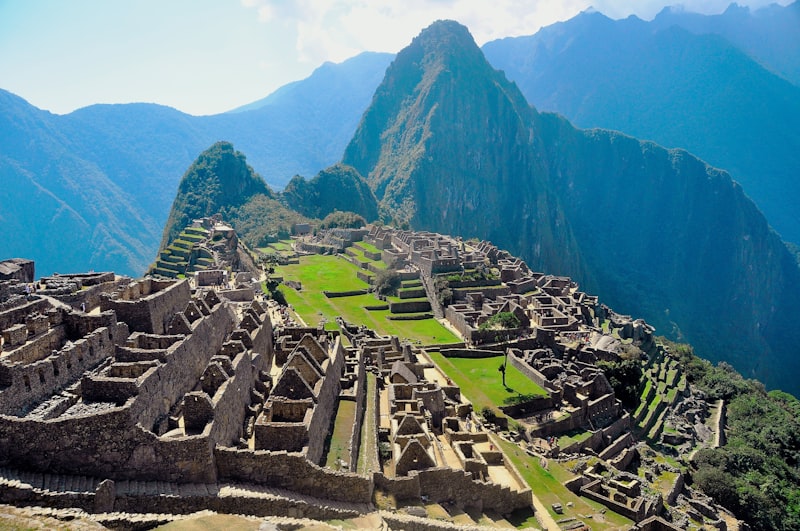
The Lost City Trek (Ciudad Perdida) is a 4-5 day guided trek through jungle to a pre-Columbian city older than Machu Picchu. At $250-350 all-inclusive (guide, food, accommodation, transport), it is one of the world’s best-value multi-day treks. Santa Marta itself offers budget beachfront: hostel dorms $6-10, seafood lunches $3-5, beachfront sunsets free. For solo trekkers, our solo travel guide rates Colombia highly.
Transport: Getting Around Colombia Cheaply
Domestic flights: Viva Air and Wingo offer flights from $25-60 one-way. Bogotá to Cartagena: $30-50 (1.5 hours vs 20 hours by bus). Bogotá to Medellín: $25-40 (1 hour vs 9 hours by bus). Book 2-3 weeks ahead on Viva Air. Our cheap flights guide covers advanced booking strategies.
Buses: Colombia’s intercity bus network is comfortable and affordable. Companies like Bolivariano and Expreso Brasilia run air-conditioned coaches. Bogotá to Medellín: $12-20 (9 hours). Medellín to Cartagena: $18-30 (13 hours). Cartagena to Santa Marta: $5-8 (4 hours). Night buses save accommodation costs on longer routes.
Metro and TransMilenio: Medellín has Latin America’s best metro system ($0.70/ride including cable cars). Bogotá’s TransMilenio bus rapid transit costs $0.80/ride. Both cities also have Uber and InDriver — always cheaper than yellow taxis. Colectivos: Shared minivans connect smaller towns for $1-3. Stay connected with a local eSIM from our eSIM comparison.
Colombian Food: The $2.50 Set Lunch That Changes Everything
The almuerzo corriente (set lunch) is the single most important budget food concept in Colombia. Available at thousands of small restaurants across every city and town, it typically includes: soup, a main course (grilled chicken, beef, or fish), rice, beans, plantain, salad, a fresh juice, and sometimes dessert — all for $2-3.50. Eating almuerzo every day at lunch is how locals eat, and how budget travelers should eat too.
Other budget eats: Arepas (corn cakes with cheese or meat): $0.50-$1.50. Empanadas: $0.30-$0.60 each (the best $0.30 snack in South America). Bandeja paisa (the enormous national plate with beans, rice, egg, plantain, arepa, avocado, and ground beef): $3-5. Fresh fruit juices: $0.80-$1.50 for exotic flavors like lulo, guanabana, and maracuya that you cannot find anywhere else. Tinto (small black coffee): $0.20-$0.40 from street vendors. According to Forbes, Colombian cuisine is one of Latin America’s most underrated food cultures. Our food budget guide covers strategies globally.
The Perfect 2-Week Colombia Route on a Budget
Days 1-3: Bogotá — La Candelaria walking tour, Gold Museum, Botero Museum, Monserrate, Sunday Ciclovía, Usaquén flea market. Day 4: Flight to Medellín ($25-40). Days 4-6: Medellín — Comuna 13 street art tour, metro and cable car rides, El Poblado nightlife, Guatapé day trip ($10 bus + $3 rock entry for the most Instagrammable viewpoint in Colombia). Day 7: Bus to Salento ($12-15, 6 hours). Days 7-8: Coffee Region — Cocora Valley hike, coffee farm tour, colorful Salento town. Day 9: Bus to Medellín ($12), flight to Cartagena ($30-50). Days 9-11: Cartagena — Walled city exploration, Getsemani street art, Bazurto Market, Rosario Islands day trip. Day 12: Bus to Santa Marta ($5-8). Days 12-14: Santa Marta and Tayrona — Tayrona National Park camping, beach days, Minca mountain village day trip.
Estimated total: $400-$600 for 14 days ($28-$43/day) excluding international flights. Use our airport hacks for arrival logistics at Bogotá El Dorado.
Essential Tips for Colombia
Visa: Most nationalities get 90 days visa-free on arrival. Currency: Colombian peso (COP). ATMs widely available. The Wise card gives the best exchange rate — see our travel apps guide. Safety: Colombia is far safer than its reputation suggests. Tourist areas in major cities are well-policed. Standard precautions: avoid displaying expensive items, use Uber instead of street taxis at night, stay in recommended neighborhoods. Language: Basic Spanish helps enormously — English is limited outside tourist areas. Google Translate camera mode is essential. Altitude: Bogotá sits at 2,640 meters. Take it easy the first day to avoid altitude sickness. Best time: December-March and July-August for dry weather on the coast. The Coffee Region and Medellín are pleasant year-round. Our shoulder season strategy helps you find the best value windows.
Final Thoughts on Colombia on a Budget
Colombia on a budget in 2026 offers one of the most diverse and rewarding travel experiences in the Americas. From Caribbean beaches to Andean mountains, coffee plantations to jungle treks, colonial cities to modern innovation hubs — Colombia packs more variety into one country than most continents offer. The $2.50 set lunch alone makes budget travel here feel like cheating. Add genuinely warm hospitality, incredible biodiversity, and improving infrastructure, and Colombia becomes a destination where spending less does not mean experiencing less.
Have you traveled Colombia on a budget? Share your best hidden gem or money-saving tip in the comments — we feature the best reader recommendations in our monthly updates.