

Want to learn how to save money on food while traveling in 2026? Food is the second biggest travel expense after accommodation, and most budget travelers spend far more on eating out than they need to. With the right strategies, you can eat incredible local food for a fraction of what tourists typically pay — often while having better culinary experiences than those spending three times as much.
This guide reveals proven strategies for how to save money on food while traveling without sacrificing quality, variety, or the joy of discovering local cuisine.
How to Save Money on Food While Traveling: 12 Proven Strategies
Strategy 1: Eat Where Locals Eat
The number one rule for saving money on food while traveling is simple: avoid restaurants near tourist attractions. Walk 5-10 minutes away from any landmark, museum, or popular square, and prices drop 40-60% immediately. The food quality usually improves too, because these restaurants survive on repeat local customers, not one-time tourist visits.
How to find local spots: Look for restaurants with menus written only in the local language. Follow construction workers and taxi drivers at lunchtime — they know the best value meals. Check Google Maps reviews filtered to recent and highly rated. Ask your hostel staff for their personal favorite cheap restaurants.
Strategy 2: Choose Accommodation with Kitchen Access
A kitchen is a budget traveler’s best friend. Cooking just one meal per day — usually breakfast or dinner — saves $8-15 daily. Over a two-week trip, that is $112-210 saved, enough for an extra activity or even an extra destination. Hostels with kitchens, Airbnb apartments, and many guesthouses offer cooking facilities. See our Cheap Accommodation Guide for finding stays with kitchens.
Strategy 3: Master the Art of Street Food
Street food is not just cheap — it is often the most authentic and delicious food a country has to offer. In Southeast Asia, a filling street food meal costs $1-3. In Mexico, incredible tacos cost $0.50-1 each. In Turkey, a doner kebab with all the fixings costs $2-4. Street food vendors specialize in one or two dishes and have perfected them over decades.
Street food safety tips: Choose stalls with high turnover — popular stalls have fresh ingredients. Watch that food is cooked to order and served hot. Look for stalls where locals queue — they know which vendors are safe. Start with cooked foods rather than raw salads when your stomach is adjusting.
Strategy 4: Use Too Good To Go App
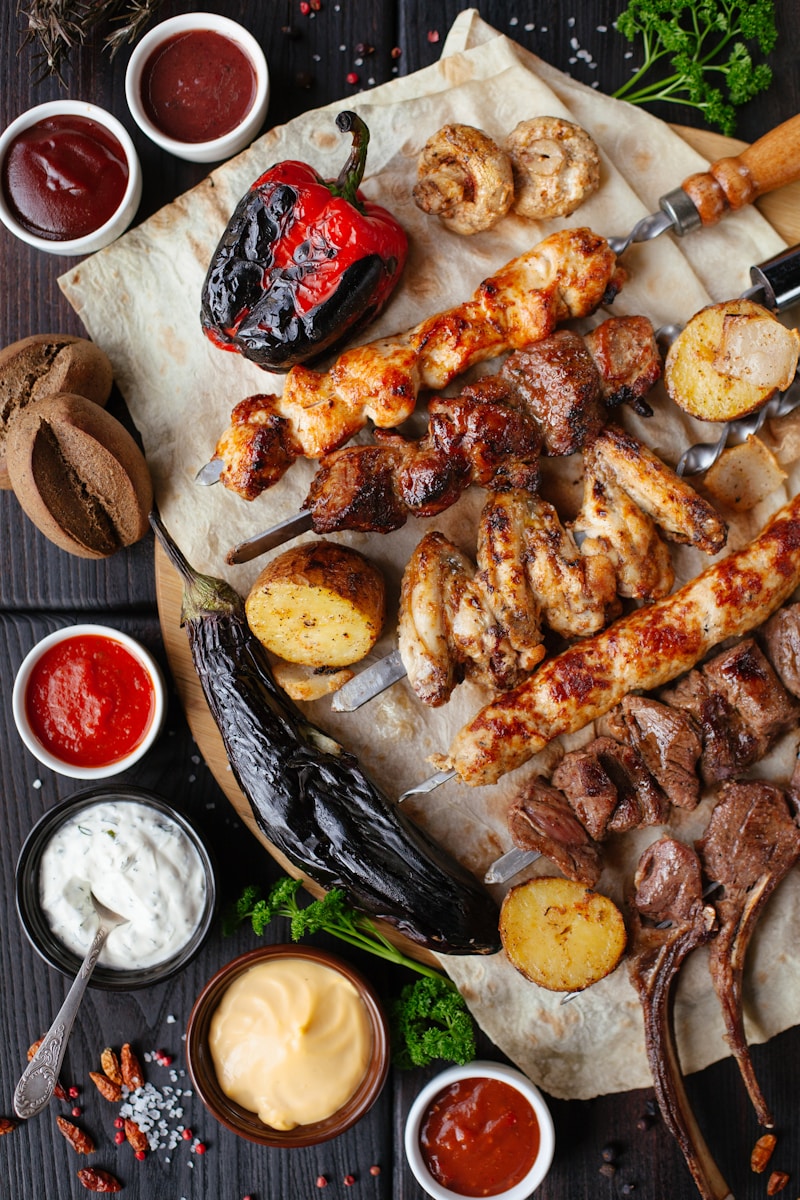
Too Good To Go connects you with restaurants, bakeries, and grocery stores selling surplus food at 60-70% off regular prices. Purchase a Surprise Bag for $3-6 and receive $12-20 worth of food. Available in most European cities and expanding worldwide. Budget travelers in Europe report saving $10-15 per day using this app for one meal. For more money-saving apps, see our Must-Have Travel Apps guide.
Strategy 5: Eat a Big Lunch Instead of Dinner
In most countries, lunch menus and set meals are 30-50% cheaper than dinner at the same restaurant. Many restaurants offer a daily set lunch (menu del dia in Spain, pranzo in Italy, bento sets in Japan) that includes multiple courses at a fixed price. Make lunch your main meal and have a lighter, cheaper dinner from a supermarket or street food stall.
Strategy 6: Shop at Local Markets and Supermarkets
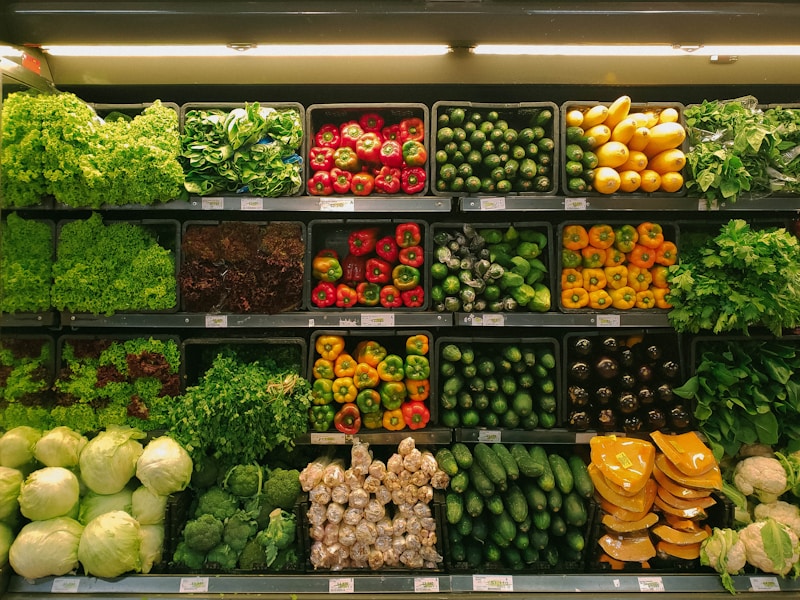
Local markets offer fresh fruit, bread, cheese, and snacks at a fraction of restaurant prices. A market lunch of bread, cheese, cold cuts, and fruit costs $3-5 in most European countries — versus $12-20 for a restaurant meal. Supermarkets are even cheaper for staples like yogurt, granola, sandwiches, and drinks.
Pro tip: Visit markets and supermarkets in the evening for discounted items nearing their sell-by date. Many European supermarkets mark down fresh items by 30-50% after 6 PM.
Strategy 7: Carry Snacks and a Water Bottle
Tourist-area snack prices are inflated 3-5x. A bottle of water at a tourist site costs $3-5 versus $0.50 from a supermarket. Carry a reusable water bottle with a filter (like LifeStraw) and refill everywhere. Pack trail mix, granola bars, and fruit from supermarkets for between-meal snacks.
Strategy 8: Take Advantage of Free Hotel Breakfast
Book accommodation that includes free breakfast. Hostels, many budget hotels, and some Airbnbs include breakfast in the room rate. A free breakfast saves $5-10 per day. For maximum value, eat a substantial breakfast and delay lunch until 2-3 PM, effectively reducing your food expenses to just two paid meals per day.
Strategy 9: Learn Basic Cooking in Each Country
Buy local ingredients and cook the country’s signature dish in your hostel kitchen. This is both a budget strategy and a cultural experience. Learn to make pad thai in Thailand for $2 in ingredients instead of $5 at a restaurant. Make pasta with fresh sauce in Italy for $3 instead of $12. Many hostels organize free cooking nights where travelers cook together — social and delicious.
Strategy 10: Avoid Tourist Trap Drinks
Beverages are where tourist restaurants make their biggest margins. A coffee at a tourist cafe costs $4-6 versus $1-2 at a local cafe. Beer at a tourist bar costs $6-10 versus $2-3 at a neighborhood bar. Cocktails at tourist clubs cost $12-18 versus $5-8 elsewhere. Buy drinks from supermarkets or local bars to save 50-70% on your beverage budget.
Strategy 11: Use Food Tours Strategically
Free walking food tours introduce you to local food neighborhoods and cheap eating spots you would never find on your own. Many cities offer these through hostel desks or free walking tour companies. One food tour early in your trip can save you money for the rest of your stay by showing you where locals eat for the best value.
Strategy 12: Travel to Cheap Food Destinations
Your destination choice is the biggest factor in food costs. In Southeast Asia, you can eat three restaurant meals per day for $8-15 total. In Eastern Europe, $15-25 covers all daily food. In Western Europe, expect $25-40 for budget eating. Plan your itinerary around affordable food destinations and splurge on dining in the cheapest countries. For destination ideas, check our Cheapest Countries to Visit guide.
Daily Food Budget by Region
Southeast Asia (Thailand, Vietnam, Cambodia): $8-15 per day eating street food and local restaurants for every meal.
South Asia (India, Nepal, Sri Lanka): $5-12 per day. Some of the cheapest food destinations on Earth.
Eastern Europe (Poland, Romania, Georgia): $15-25 per day mixing restaurants, markets, and cooking.
Latin America (Mexico, Colombia, Bolivia): $10-20 per day with incredible variety and flavor.
Western Europe (Spain, Portugal, Italy): $25-40 per day using the strategies above. $15-25 if you cook most meals.
According to Nomadic Matt, food is the expense where smart travelers save the most money compared to average tourists, often cutting costs by 50-70% with the right approach.
Final Thoughts on How to Save Money on Food While Traveling
Learning how to save money on food while traveling does not mean eating badly. It means eating smarter — discovering the street stalls, local markets, and neighborhood restaurants where the best food is also the cheapest food.
Start with three strategies from this list on your next trip. Eat where locals eat, use Too Good To Go, and choose accommodation with a kitchen. These three changes alone can save you $15-25 per day — that is $105-175 per week redirected toward experiences, activities, and extending your trip.
What is your best food-saving travel hack? Share it in the comments!