

Shoulder season travel is the smartest travel hack most budget travelers overlook in 2026. Shoulder season is the sweet spot between peak and off-season: lower prices, thinner crowds, and often better weather than winter. Learning when and where to travel in shoulder season saves 20-40% on every trip while delivering a better experience than peak season.
This guide covers the best shoulder season travel destinations, timing windows, and strategies for maximizing value during the most underrated travel periods of the year.
What Is Shoulder Season Travel?
Shoulder season falls between peak (high) and off (low) season. For most European destinations, shoulder season is April-May and September-October. For Southeast Asia, it is October-November and March-April. During shoulder season travel, flights cost 20-40% less, hotels drop 15-35%, attractions have shorter queues, and locals are friendlier because they are not exhausted by tourist crowds.
Best Shoulder Season Travel Destinations
Europe: April-May and September-October
Italy in September is perfection: warm weather, harvest festivals, and hotel prices 30% below July-August. Rome, Florence, and the Amalfi Coast are genuinely enjoyable without summer crowds. October brings truffle season in Tuscany and wine harvest throughout the country.
Greece in May and October offers beach weather, open restaurants, and ferry schedules without the crushing crowds and triple prices of July-August. Santorini in October costs half what it costs in July.
Portugal in April and October has warm, sunny weather and Lisbon prices 25-35% below summer. Perfect walking weather for Porto and the Algarve coast.
Southeast Asia: October-November and March-April
Thailand in November marks the end of monsoon and the start of the best weather. Prices have not yet risen to December-February peak levels. Chiang Mai’s Yi Peng lantern festival happens in November.
Vietnam in March-April has comfortable temperatures across the entire country before summer heat arrives. See our Southeast Asia Guide for country details.
Americas: April-May and September-November
Mexico in September-October offers the lowest prices of the year. Fewer tourists, warm weather, and shoulder season travel prices make Oaxaca and Mexico City incredibly affordable. Day of the Dead (November 1-2) is a unique cultural experience.
Peru in April-May has dry weather for Machu Picchu at 20-30% below June-August prices. The dry season is just beginning and tourist numbers are still manageable.
How to Find Shoulder Season Travel Deals
Use Google Flights date graph. Search your route and view the calendar to spot price drops between peak and off-season. The transition weeks are where the best deals hide. See our How to Find Cheap Flights guide.
Book accommodation 4-6 weeks ahead. In shoulder season, most properties still have availability without advance booking. But 4-6 weeks ahead captures early-booking discounts without the uncertainty of last-minute searches. See our Cheap Accommodation Guide.
Check weather patterns, not just dates. Shoulder season timing varies by specific destination, not just country. Southern Italy has warm weather through October while northern Italy gets cold by mid-October. Research your specific city at WeatherSpark for historical weather data. Also check Lonely Planet destination pages for best-time-to-visit recommendations.
Be flexible on exact dates. Shoulder season travel rewards flexibility. The first week of September costs significantly less than the last week of August, even though the weather is nearly identical. A few days of flexibility saves hundreds.

Shoulder Season Travel Packing Tips
Shoulder season weather is less predictable than peak season. Pack layers: a light jacket, a rain layer, and clothes that work for both warm and cool days. A packable down jacket covers cool evenings without taking much space. See our Pack Light Guide for strategies.
Why Shoulder Season Travel Delivers Better Experiences
Locals have time for you. In peak season, restaurant staff, guides, and hotel workers are exhausted and rushed. In shoulder season, they are relaxed, friendly, and genuinely happy to chat. Your interactions feel authentic, not transactional.
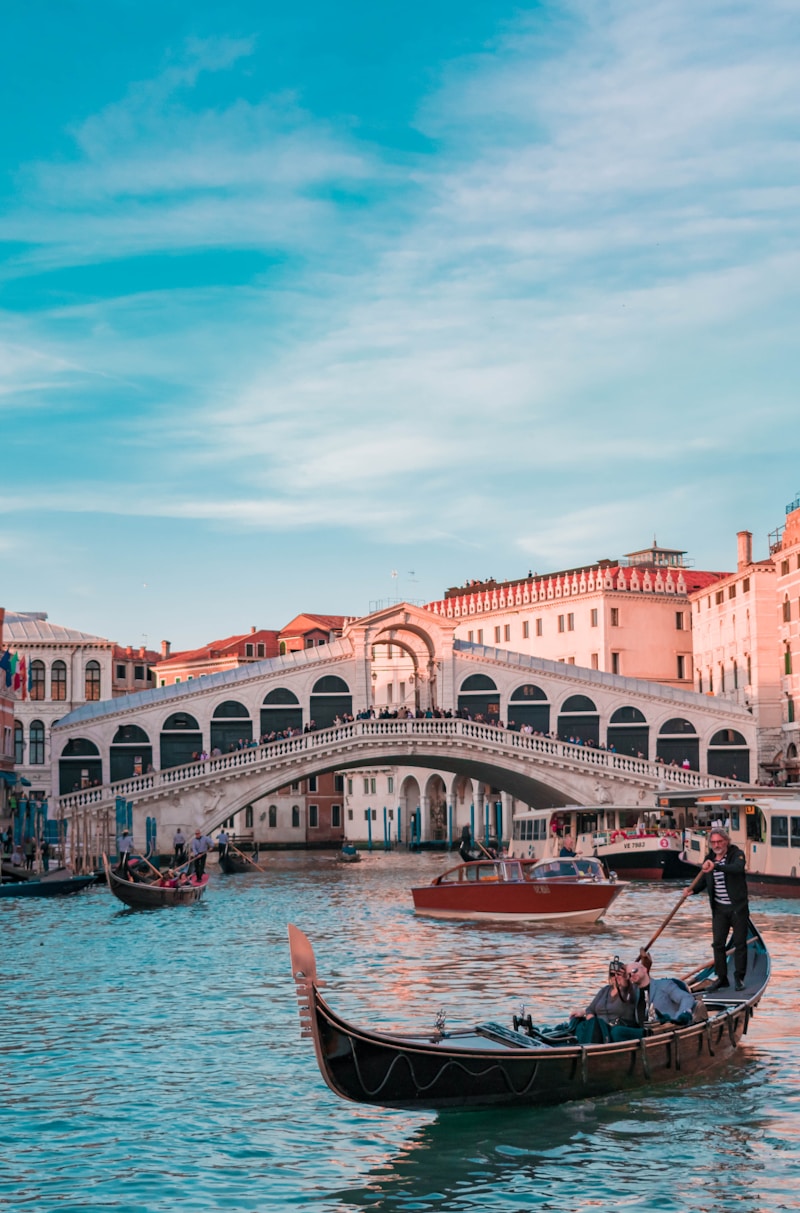
Photos without crowds. Shoulder season travel means photographing the Eiffel Tower without 500 people in your shot. Visiting Angkor Wat with space to reflect. Walking through Venetian alleys alone. See our Phone Photography Guide.
Spontaneity is possible. In peak season, everything requires advance booking. In shoulder season, you can decide to stay an extra day, change your route, or walk into a restaurant without a reservation. Budget travelers thrive on this flexibility.
For complete planning, combine shoulder season travel with our guides on Trip Planning on a Budget, Saving Money on Food, and Avoiding Tourist Traps.
Final Thoughts on Shoulder Season Travel
Shoulder season travel is the closest thing to a travel cheat code. You get 80-90% of peak season weather at 60-70% of peak season prices with 30% of peak season crowds. Once you try shoulder season travel, you will never voluntarily travel in peak season again.
Pick one destination from this guide, check the shoulder season dates, and book your next trip during the sweet spot. Your wallet and your experience will both thank you.
What is your favorite shoulder season destination? Share in the comments!